
Moving into the heart of hurricane season, we’re reminded daily by the deadly wildfires in Maui that everything can change in the blink of an eye. Whether it's unforeseen labor action like we saw earlier this year, natural disasters and acts of God, or accidents, preparing contingency plans for your supply chain is important all year.
We never know where the disaster is going to strike.
Natural disasters can cause widespread disruption to the logistics industry, with far-reaching consequences for businesses and consumers alike. In the wake of a disaster, it can be difficult to get the goods and services that people need, especially to places that are impacted by weather issues, and businesses may face significant delays or even losses.
By having a plan in place, you can help to mitigate the impact of a disaster and ensure that your customers continue to receive the goods and services they need.
Here are some tips for preparing your logistics operation for natural disasters:
- Identify the risks. The first step is to identify the natural disasters that are most likely to affect your operation. This will depend on your location, as well as the types of goods and services you transport. Know what season brings which disruption and plan accordingly.
- Create a disaster plan. Your disaster plan should outline the steps you will take to prepare for, respond to, and recover from a natural disaster. This plan should include contact information for key personnel, as well as a list of resources that you may need.
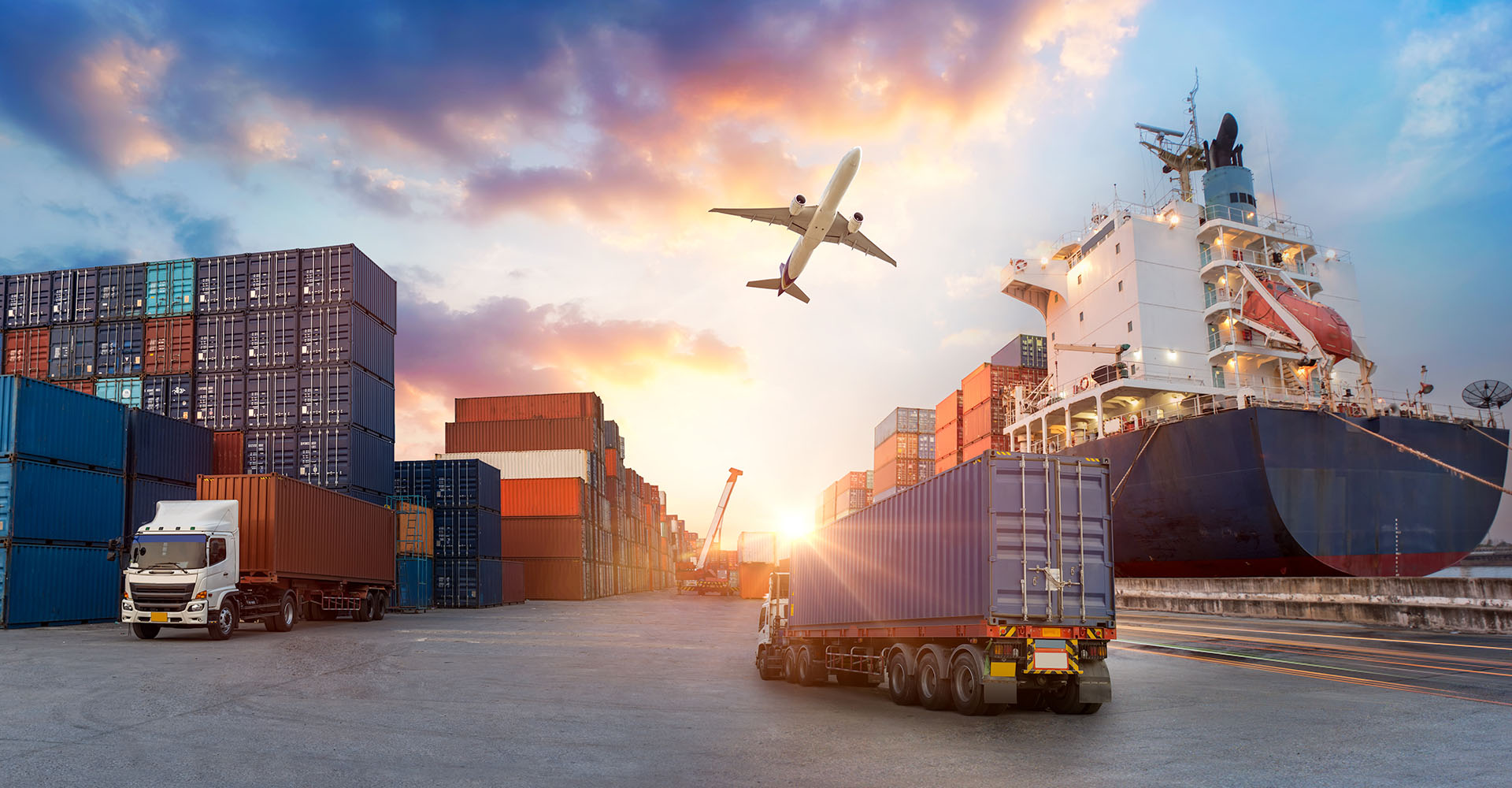
- Have a backup plan. In the event that your primary transportation routes are disrupted, you need to have a backup plan in place. This could involve using alternative transportation modes, such as air or rail, or routing shipments through different hubs. Knowing what you have, what you need and where it should be is a huge part of preparation.
- Stay informed. It's important to stay informed about the latest weather forecasts and disaster warnings. This will help you to make informed decisions about your operations and to take appropriate precautions. Remember that proactive communication will help all clients make the best decisions about their logistics plan all year long.
- Get cargo insurance. Cargo insurance is the most important part of the preparation process. By ensuring your cargo is protected from theft, pilferage, vandalism, loss or accidental damage, you build a bulwark of safety into your supply chain. Protecting your cargo against liability and loss is the first step to strengthening your logistics plan.
- We can help you to identify alternative transportation routes and modes of transportation.
- We can help you to expedite shipments and get your goods to their destination as quickly as possible.
- We can provide you with real-time updates on the status of your shipments.
- We can help you to manage your inventory and ensure that you have the goods you need to meet customer demand.
- We can help you find the right cargo insurance to protect your freight.